Boatcraft | The Boat Maker | Equipment Supplier

Powering India's Electric Waterways
BOATCRAFT
Inside Boatcraft's Marine EV Revolution How a Goa-based boat builder is charting the course for the country's zero-emission water transport future
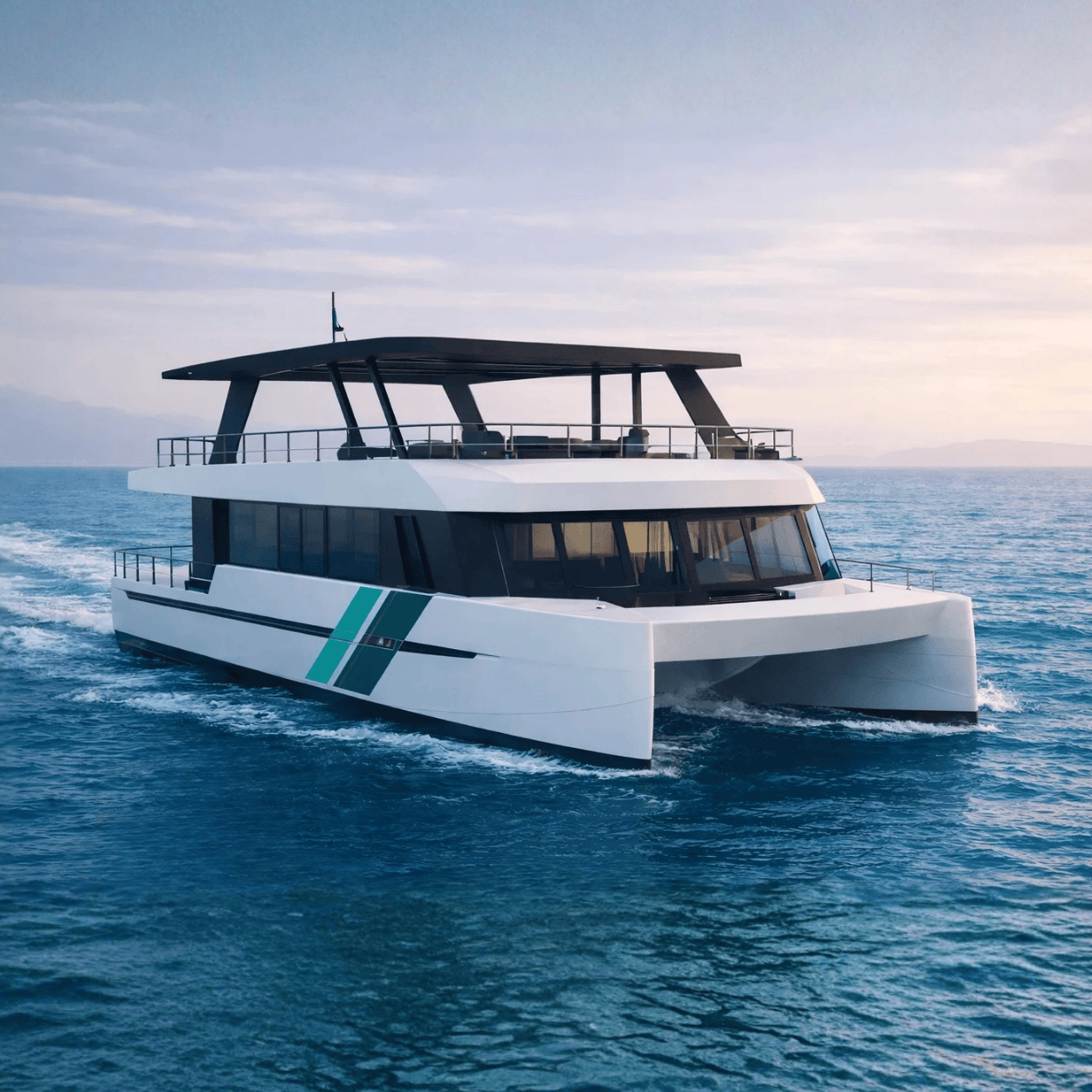
Long before “electric mobility” became a buzzword in Indian boardrooms, Boatcraft Services Pvt Ltd was already building boats on the shores of Goa. Founded in 1997 by John Fernandes, the company has spent nearly three decades shaping India’s marine industry — not as a follower of trends, but as the one setting them. Today, with over 85 employees and two manufacturing facilities in Salcete, Goa, Boatcraft has evolved from a traditional FRP boat builder into one of the country’s most credible names in electric marine engineering, operating under its dedicated clean-mobility arm, Boatcraft EV.
A Legacy of Firsts
Boatcraft’s story is built on a pattern that repeats itself across three decades: arriving early, building the category, and staying ahead of it. The company pioneered watersports operations in Goa, introduced the design and manufacture of winch parasailing boats to the Indian market, and was among the first to design and build passenger boats and catamarans in the state — vessel categories that are now industry standards but didn’t exist in India’s domestic shipyards until Boatcraft built them.
That same instinct for being first is what has now positioned the company at the front of India’s electric boat movement. While much of the global conversation around marine electrification remains theoretical, Boatcraft has already put a fully electric passenger vessel into daily commercial service — and kept it running.
Proof on the Water: Anna Sagar, Ajmer
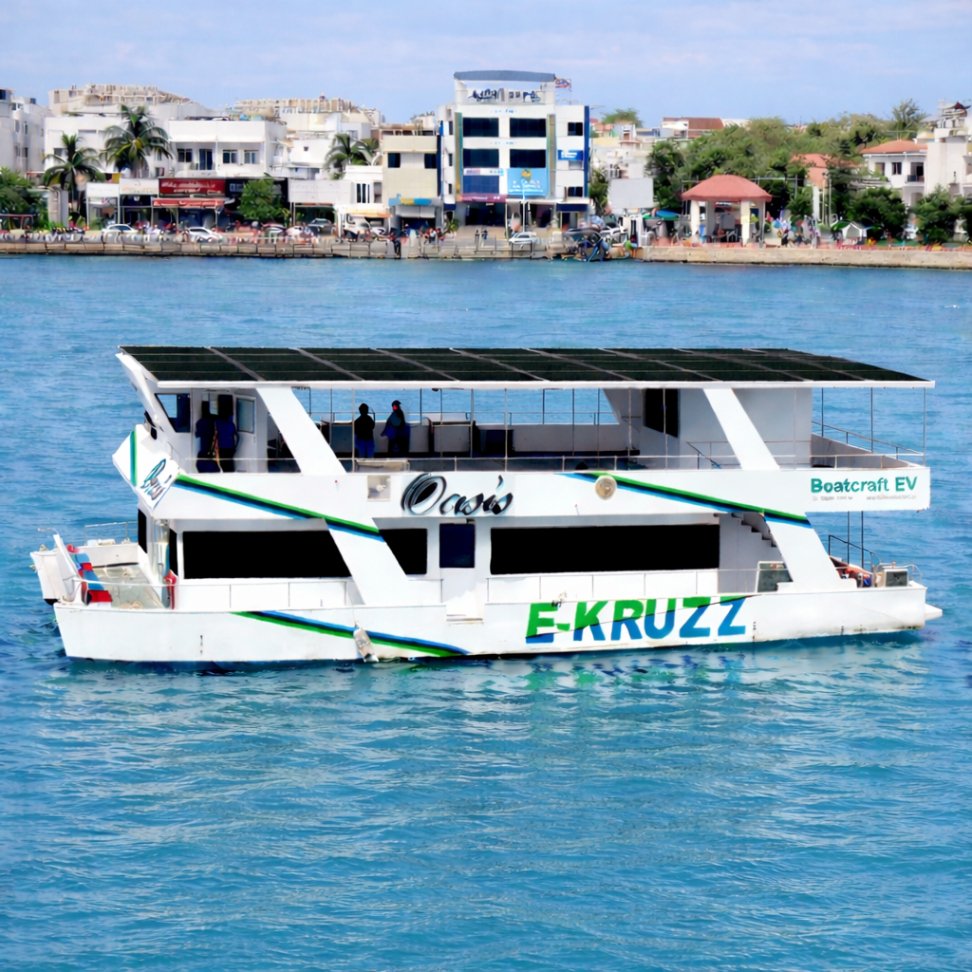
Talk is common in the emerging EV marine space; delivered, revenue-generating vessels are rare. Boatcraft’s flagship achievement is the BC 63 E-Kruzz, a double-deck electric passenger catamaran with a capacity of roughly 150 passengers, deployed on Anna Sagar Lake in Ajmer, Rajasthan. Marketed as India’s first fully electric double-deck passenger catamaran of its scale, the vessel has now been in continuous commercial operation for over two years — silently ferrying tourists across the historic lake without a drop of diesel burned or a decibel of engine noise disturbing the experience.
For an industry where “pilot projects” often quietly disappear after the ribbon-cutting photographs are taken, two years of uninterrupted, real-world passenger operations is the kind of track record that gets noticed by government procurement teams, transport authorities, and tourism boards evaluating who can actually deliver — not just design.
Recognition That Reflects the Work
The credibility built on Anna Sagar has translated into national recognition. Boatcraft has been awarded Best Boat Builder in the Country, honoured as a Visionary Leader in Marine Innovation, and recognised at the Best of India Blue Economy Awards — accolades that acknowledge not just design capability, but the company’s role in advancing India’s blue economy through indigenous clean-tech manufacturing.
Engineering the Full Stack: Battery to Boat
What separates Boatcraft from most entrants into the electric boat space is vertical integration. Rather than assembling imported propulsion kits onto existing hulls, Boatcraft has built its own electric drivetrain ecosystem from the ground up:
Proprietary high-voltage battery technology — an in-house developed and manufactured 600V LiFePO4 (lithium iron phosphate) battery system, engineered specifically for the demands of marine environments: sustained loads, humidity, vibration, and the safety margins that passenger-carrying vessels require.
In-house electric propulsion software and display systems — a proprietary control and monitoring interface that manages power delivery, battery health, and propulsion performance, giving Boatcraft direct control over the vessel’s electric architecture rather than depending on third-party black-box systems.
This full-stack approach — hull, battery, propulsion control, and software, all engineered under one roof — is what allows Boatcraft to customise vessels for specific routes, passenger loads, and operating conditions, and to service and support them long after delivery. It’s also what gives government and institutional buyers confidence: the company that builds the boat also owns the technology that powers it.
Charting What Comes Next
As India’s tourism boards, urban transport authorities, private operators, and state agencies increasingly look to decarbonise inland and coastal water transport, the demand for electric vessels that are commercially proven—not just conceptually promising—is only going to grow. Boatcraft’s combination of manufacturing heritage, in-house battery and propulsion technology, and a genuine two-year operational track record places it among a select group of Indian companies capable of delivering reliable, zero-emission passenger vessels at scale.
With a growing portfolio that includes the BC 55 E, BC 60 E, and the flagship BC 63 E-Kruzz, Boatcraft continues to invest in indigenous innovation, demonstrating that world-class electric marine technology can be designed, engineered, and manufactured in India.
From pioneering parasailing boats on Goa’s beaches to powering India’s silent electric catamarans across its lakes and rivers, Boatcraft’s journey has remained consistent: identify where Indian marine engineering is headed next—and build it first.